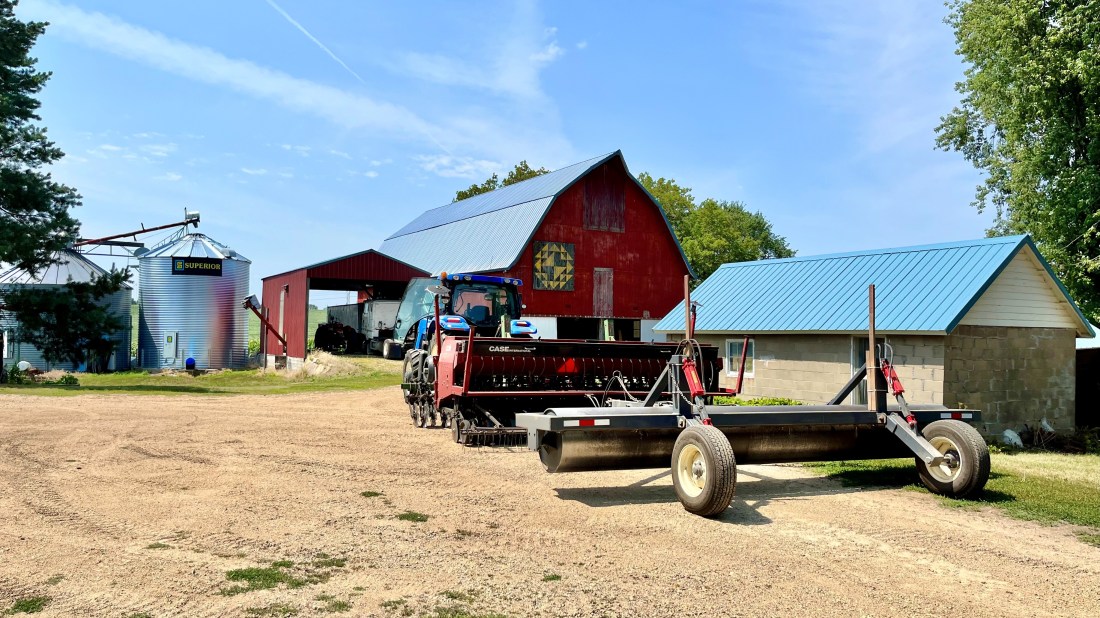
In northern Chisago County, Sonny Strelow is trying out no-till farming for his first time this year and brags that his soybeans looked better than anyone else’s by the end of the summer. “I was initially motivated by the funding,” he laughs, “But I’ve also been lucky enough to farm this land since I was knee-high and want to preserve it for future generations.”
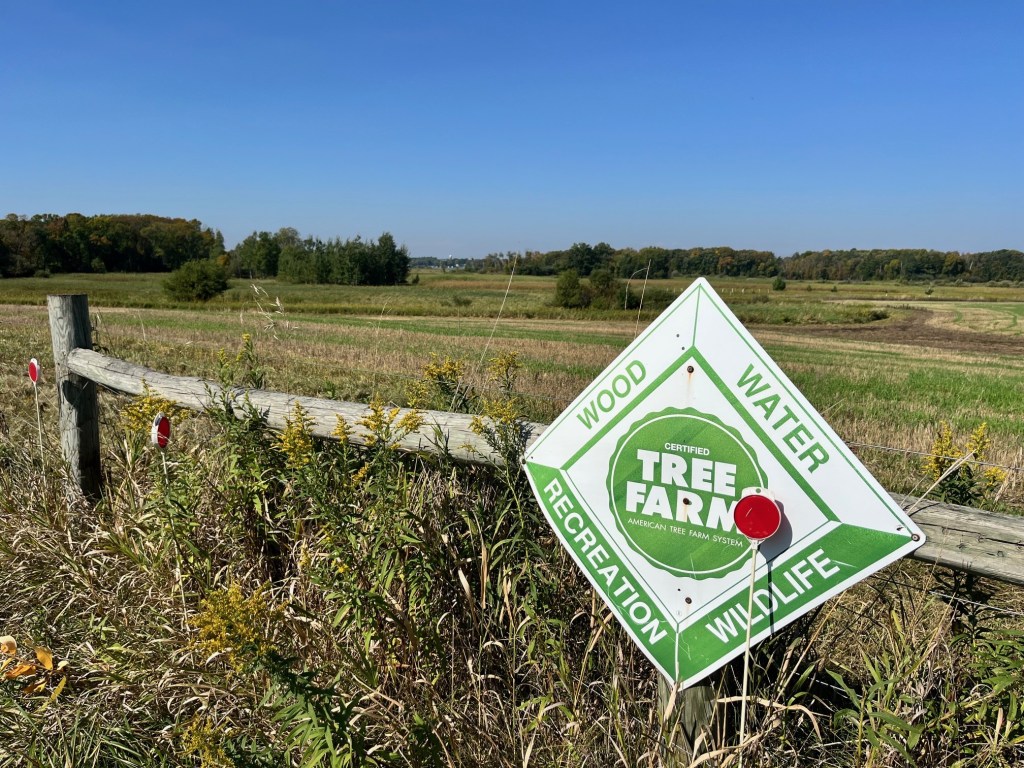
Lance Peterson of Rush City made the transition to strip till 15 years ago and says it was also mostly for economic reasons. “We save money on fuel costs and don’t need as many staff hours to get the work done.” Like Strelow, however, he also appreciates the environmental benefits. Conservation tillage practices help to reduce erosion, improve infiltration capacity so that more water soaks into the soil and less runs off when it rains, increase organic matter in the soil, and make it easier for crops to access the nutrients they need to grow.

This fall, conservation districts across the state are providing new funds to farmers to implement soil health practices including no-till, cover crops, and prescribed grazing. Funds can also be used for pollinator plantings, as well as pasture and hay plantings. The program is part of an initiative by Minnesota Board of Water and Soil Resources to build better, more resilient soils in order to ensure long-term food security and protect lakes, rivers, and streams from water pollution.
Incentive grants help to reduce some of the economic risk for farmers who want to try out new practices. Many start small and then scale-up as they zero-in on a set of strategies that works best for their operation.

In southern Washington County, farmer Steve Radke worked with the Washington Conservation District and South Washington Watershed District to implement conservation tillage, no-till, and cover crops on 577 acres of land that he farms in a corn and soybean rotation. After seeing the economic and environmental benefits of these practices, Radke hosted a field day in 2023 and has since convinced his fellow farmers to begin doing no-till and cover crops on an additional 1000 acres of land that they farm.
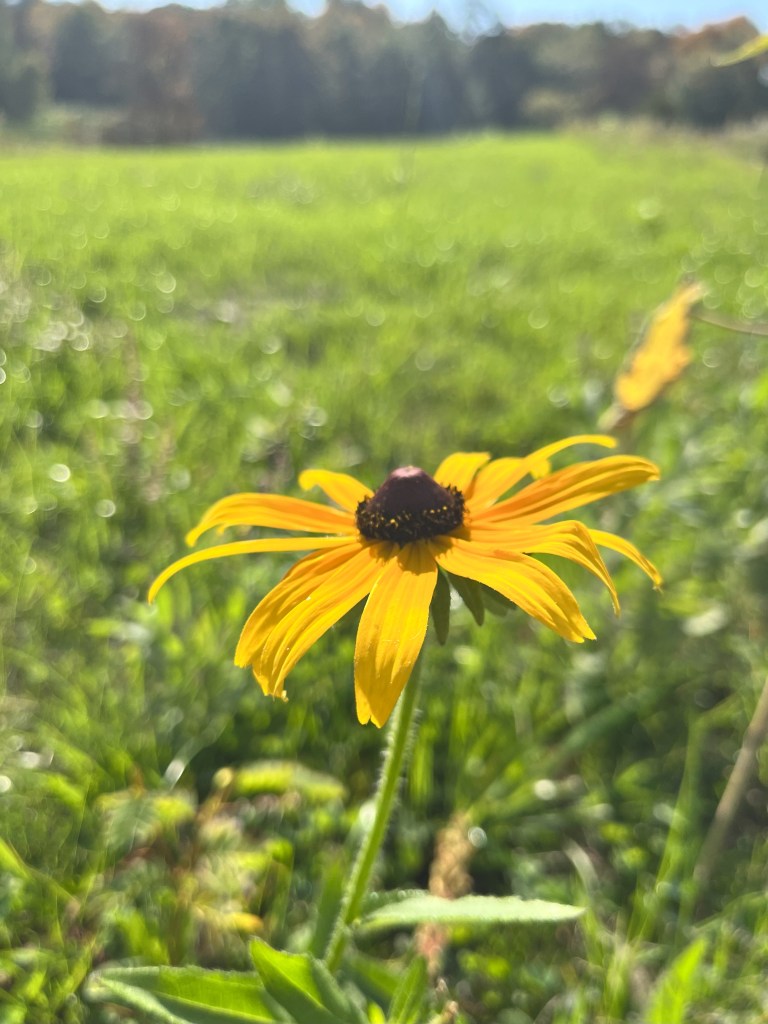
Some of the biggest benefits come from converting non-productive land to pasture or natural habitat. Matt Krausey, a landowner in Fish Lake, says he is shocked with how quickly native grasses and flowers established in a fallow field on his land that he is transitioning back to a natural wetland with help from the Chisago Soil and Water Conservation District. “My whole thing is preserving native habitat for future generations,” he says. “This all was bare dirt just last fall.”
If you farm in Minnesota, contact your county’s Soil and Water Conservation District to learn if you are eligible to receive funding. For farmers new to these practices, SWCD staff can provide technical assistance or make connections with other local farmers already using these practices on their acres. Please note that each SWCD sets their own cost share rates and policies.
In the east metro / Lower St. Croix region:
Chisago SWCD: Program highlights include $35/acre for no-till and strip till, $200/acre for new pasture and hay plantings, and $500/acre for new pollinator plantings. For those interested in trying cover crops, rates start at $25/acre for a single species cover crop with spring till and go up to $60/acre for a multi-species cover crop with no spring till. To learn more about eligible practices, rates, and support, call the Chisago SWCD at 651-674-2333.
Isanti SWCD: Program highlights include $50-60/acre for cover crops, $30/acre for conservation crop rotation, $40/acre for prescribed grazing, $20/acre for no-till and strip-till, $500/acre for new pollinator plantings, and $150/acre for pasture and hay plantings. To learn more about eligible practices, rates, and support, contact Matthew Remer at 763-689-3271 or matthew.remer@mn.nacdnet.net.
Washington Conservation District: Program highlights include $35/acre for no-till, $60/acre for cover crops, and $80/acre for prescribed grazing. New pollinator plantings and pasture and hay plantings are supported on a percent basis, with up to 100% of costs covered depending on site location and project details. To learn more about eligible practices, rates, and support, call the WCD at 651-796-2262 or email info@mnwcd.org.

 East Metro Water